Blog
Bellisseria Gets Free Premium Storefronts
Smart Move or Missed Opportunity?
Linden Lab has introduced something many residents have speculated about for years: dedicated shopping districts inside Bellisseria. With the rollout of the Ridgewood Enclave commercial areas, Premium Plus members can now claim free storefront parcels—no purchase price, no monthly tier, and fully pre-built spaces ready to customize.
At first glance, it sounds like a huge win for creators. But once you look deeper, the long-term impact—and actual usefulness—becomes a lot more debatable.

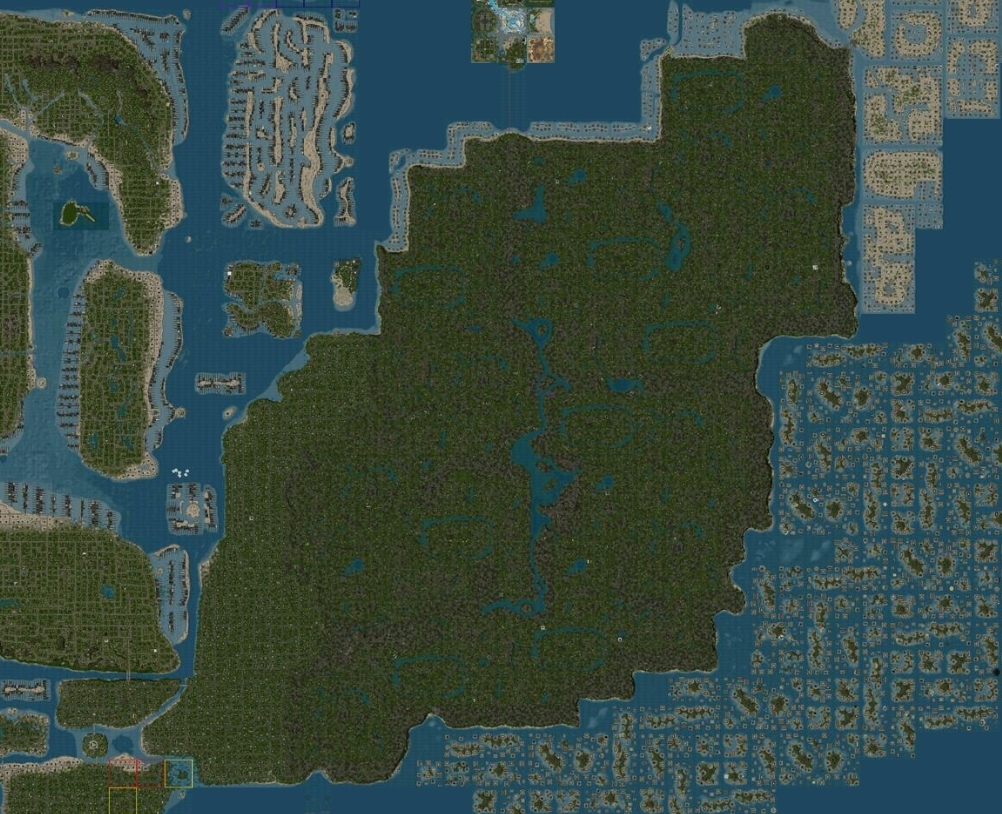
NOTE: As for today 6am SLT, and for almost 3 days, all new shopping regions are offline due to some unknown issue that is being addressed. SL Grid Status Page: “Identified – After a thorough investigation of this incident, we believe that the root cause has been identified. Please be patient as we work to develop a robust solution.
Mar 18, 2026 – 07:15 PDT” https://status.secondlifegrid.net
What Linden Lab Is Offering
The new commercial districts are woven directly into Bellisseria regions, giving them a “neighborhood shopping” feel.
- Premium Plus members can claim a 1024 sqm shop parcel
- No cost and no tier fees
- Prebuilt stores with selectable styles, layouts, and colors
- Located across multiple themed regions like Greenbush Hill and Broadstreet
This essentially lowers the barrier to entry for anyone who wants to experiment with running a store in Second Life.
LINDEN LABS ANNOUNCEMENT: [LINK]
The Pros
1. Zero Cost = Low Risk
This is the biggest selling point. Free land in Second Life—especially commercial—is almost unheard of. For hobby creators or newer merchants, this removes the biggest obstacle: ongoing tier costs.
2. Easy Setup
The prefab system makes it simple. You don’t need to build from scratch—just decorate, drop vendors, and go. That lowers the technical barrier significantly.
3. Expands Bellisseria’s Purpose
For years, Bellisseria has been largely residential. This adds a new layer of utility, potentially making it feel more like a living world instead of just a housing grid.
4. Creative Playground
Even outside of serious commerce, these parcels open the door for:
- Boutique shops
- Art galleries
- Hobby builds
- Community spaces
Some residents are already viewing them more as “fun projects” than serious business ventures.
The Cons
1. The Traffic Problem (The Big One)
Let’s be real—shopping in Second Life is not location-based anymore.
- People use Marketplace (although less lately)
- They teleport directly to known brands
- Events drive the majority of foot traffic
- Numerous Weekly and Monthly Sale Sites is the Heart of SL Shopping
Bellisseria, by design, is a residential environment—not a retail hub. Even long-time residents point out that communities in SL form around interests, not geography, and proximity rarely drives interaction.
That raises the biggest question:
Who is actually going to shop here?
2. Bellisseria Isn’t Built for Commerce
The layout works against retail success:
- No centralized “mall” experience
- No built-in traffic funnels
- Spread-out regions requiring exploration
Unlike established shopping sims, there’s no reason for shoppers to browse casually.
3. Prefab Limitations
While convenient, prefab stores come with constraints:
- Limited layout flexibility
- Lighting and interior challenges reported by early users
- Less branding uniqueness compared to custom builds
For serious brands, that lack of control could be a dealbreaker.
4. Likely to Become “Vanity Shops”
There’s a strong possibility these stores become:
- Personal showcase spaces
- Small hobby shops
- Low-traffic vendor locations
Rather than serious revenue-generating businesses.
Will These Stores Actually Get Traffic?
Short answer: probably not much—at least not organically.
Without:
- Events
- Promotions
- Destination branding
These areas risk becoming beautiful but empty storefront rows.
Second Life shopping has evolved into:
- Event-driven commerce (Shop & Hop, weekend sales, etc.)
- Brand-loyal teleport shopping
- Marketplace-first behavior
Bellisseria shops don’t naturally fit into any of those ecosystems.
A Better Approach? Recurring Shopping Experiences
This is where Linden Lab may have missed a bigger opportunity.
Instead of static storefronts, a stronger strategy could have been:
Premium Member Shopping Cycles
- Rotating store slots (monthly/seasonal)
- Curated themes
- Built-in promotion from Linden Lab
- “Must-visit” shopping events inside Bellisseria
This would create:
- Urgency
- Discovery
- Repeat traffic
Basically, a built-in event ecosystem, instead of passive retail space.
Final Thoughts
The new Bellisseria commercial districts are a great perk—especially for Premium Plus members looking to experiment or expand creatively.
But from a commerce standpoint?
They feel less like a meaningful solution for shoppers and more like a minor perk for creators.
Without a system designed to actively drive traffic, these storefronts risk becoming exactly what Second Life doesn’t need more of: content that exists… but isn’t discovered.
Left as-is, they’ll likely turn into “set it and forget it” locations—rarely updated, barely visited, and generating little to no sales. In time, they won’t just be overlooked—they’ll be abandoned. Another ghost town in the making.
There is real potential here. With curated rotations, scheduled shopping events, or built-in discovery systems, this could evolve into something genuinely valuable for both creators and shoppers.
But without that support, it risks becoming just another underutilized corner of an otherwise beautiful continent.
.
.